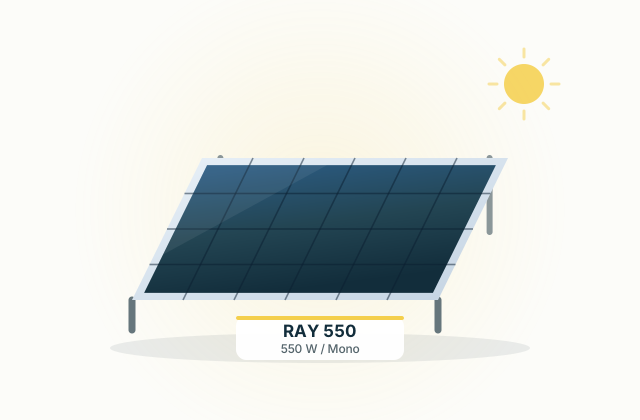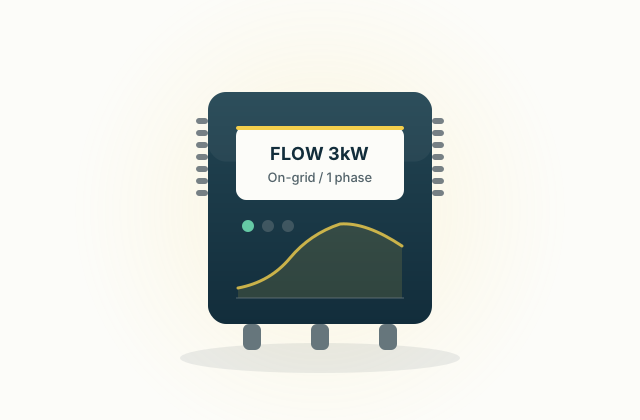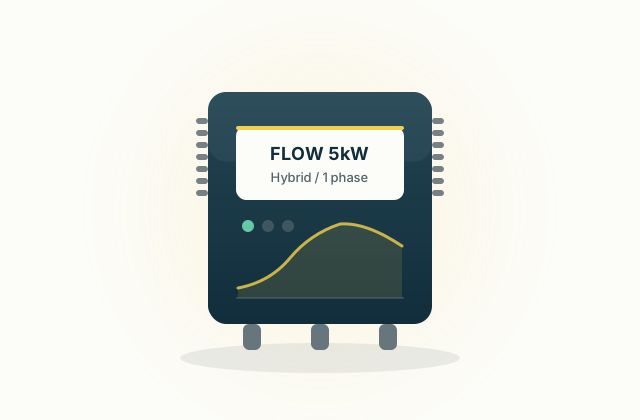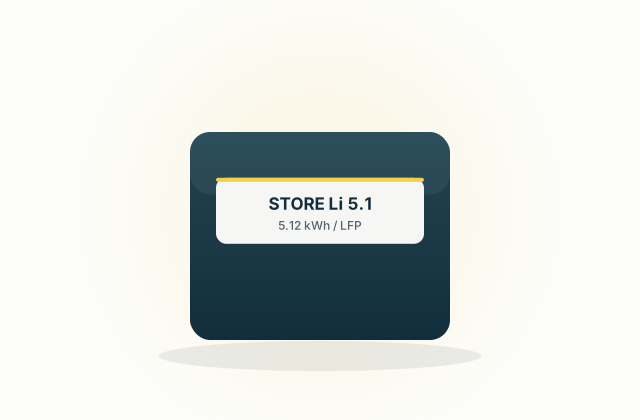
Cibi Ray 400
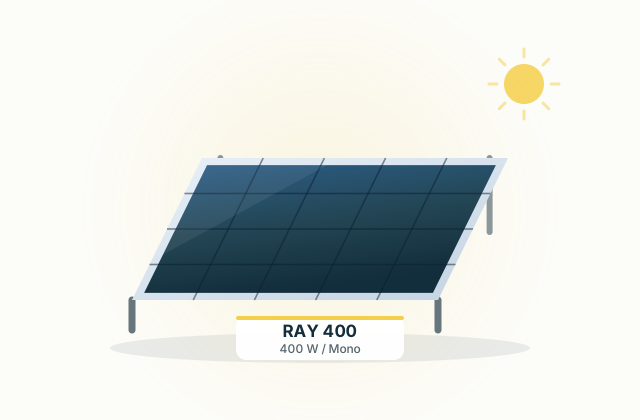
A dependable module for compact rooftops.
- Type
- Monocrystalline half-cut
- Capacity
- 400 W
- Output
- 37.2 V (Vmp)
- Warranty
- 12 yr product / 25 yr performance
- Suitable for
- Homes with limited roof space
Products
Panels, inverters, batteries, water heaters and street lights - for homes, businesses and the spaces in between.
Our Range
Grouped by what each part actually does - generate, convert, store, heat or light.
Quiet, dependable generation on your roof.
View Products
The brain that turns sunlight into usable power.
View Products
Keep the power you generate for when you need it.
View Products
Hot water from sunlight, every morning.
View Products
Light where running a cable is not practical.
View ProductsFeatured
A closer look at the equipment we most often recommend, and what each one is good for.
A dependable module for compact rooftops.
The everyday workhorse for rooftop systems.
A straightforward start for a home system.
Solar by day, stored power when the grid fails.
Compact lithium storage for essential loads.
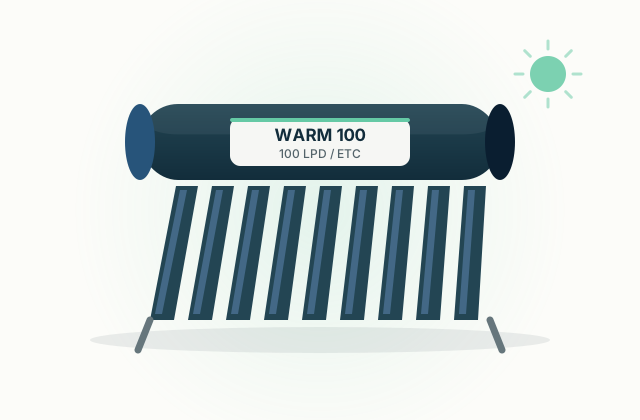
Hot water for a small household.
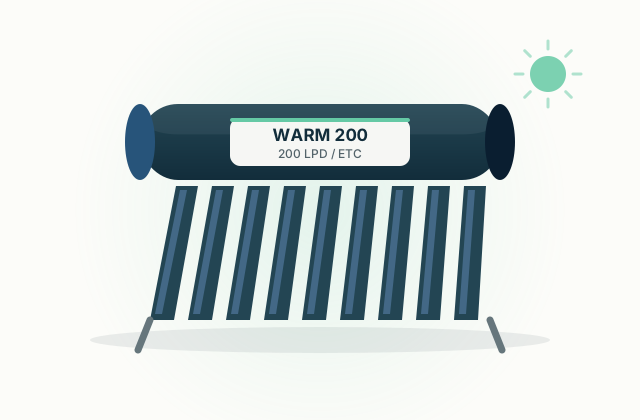
Enough hot water for a full family.
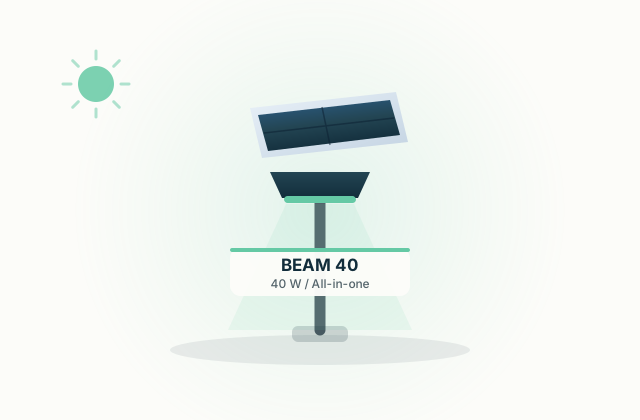
Road and campus lighting that runs itself.
Good to Know
A few things worth knowing before you decide. If your question is not here, just ask us.
As a working rule, each kilowatt of panels needs roughly 60 to 80 square feet of clear, shade-free roof. A 3 kW system therefore wants somewhere around 200 to 250 square feet. What matters as much as the area is the shape of it and whether anything shades it during the middle of the day.
Start from your electricity bill rather than your roof. Look at the units consumed per month, divide by 30 for a daily average, and size the system to cover that. Your tariff, whether you have net metering, and how much of your usage happens during daylight all shift the answer, which is why we prefer to look at an actual bill with you.
An on-grid system feeds your home and exports the surplus to the grid, but shuts down during a power cut for the safety of line workers. An off-grid system runs entirely on panels and batteries with no grid connection at all. A hybrid system does both: it uses the grid normally and switches to battery when the supply fails.
Only if your system is built for it. A standard on-grid system stops when the grid stops. If you want power during an outage you need a hybrid inverter and a battery, and the loads you want backed up are decided when the system is installed.
Panels are generally warranted to still produce around 85% of their original output after 25 years, and most keep working beyond that. Inverters have a shorter life and are usually the first component to be replaced, typically somewhere between 8 and 15 years depending on the unit and how hard it works.
Send us a recent electricity bill and we'll tell you honestly what solar can do for your roof.